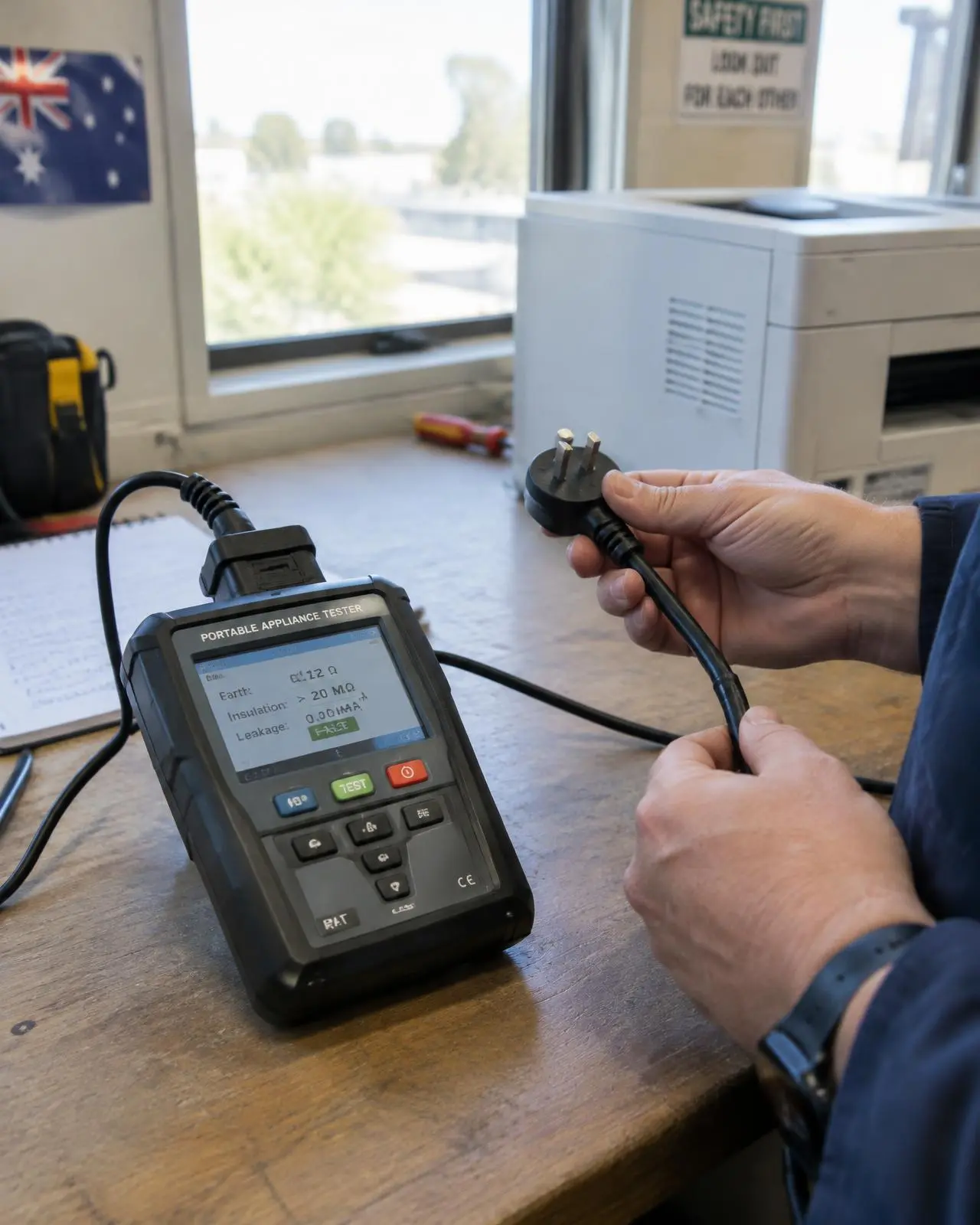
So, you're running a medium-sized business and want to ensure it's compliant with all electrical safety regulations. It's time to hire a test and tag professional. But what should you keep an eye out for? Here we discuss the testing and tagging process, what it covers, and tips to help you find the right professional for the job.
What is testing and tagging?
Testing and tagging involves a series of checks on all your electrical equipment — from power tools used in construction to kitchen appliances like ovens, microwaves or hotplates — to make sure they're safe to use. A qualified tester should carry out these tests at regular intervals, commonly every 3, 6 or 12 months depending on the type of equipment and environment. The purpose of these tests is to identify any faults that may have developed so potential problems can be corrected before they become serious hazards.
Testing involves plugging each item of equipment into an approved tester, which then determines whether any faults exist. If there are no faults, the item is tagged with a label showing its date of testing and when it needs to be tested again. If faults are found, the item will need to be repaired or replaced before being retested and tagged as safe for use.
Finding the right professional
When looking for someone to do your testing and tagging, it's important to make sure they're qualified and experienced in your type of business. Ask around for recommendations, or read online reviews from previous customers before making a decision. You should also check they have appropriate insurance that covers both them and your premises in case anything goes wrong during the test and tag process.
Finally, make sure your chosen tester has up-to-date knowledge of all relevant regulations, so you can be confident everything is being done correctly according to industry standards.
The bottom line
Test and tagging is an important part of keeping your business compliant with electrical safety regulations. Hire an experienced professional with up-to-date knowledge of the relevant regulations so everything is done correctly. With this information at hand, you can rest assured your business is protected against the hazards posed by faulty electrical appliances.