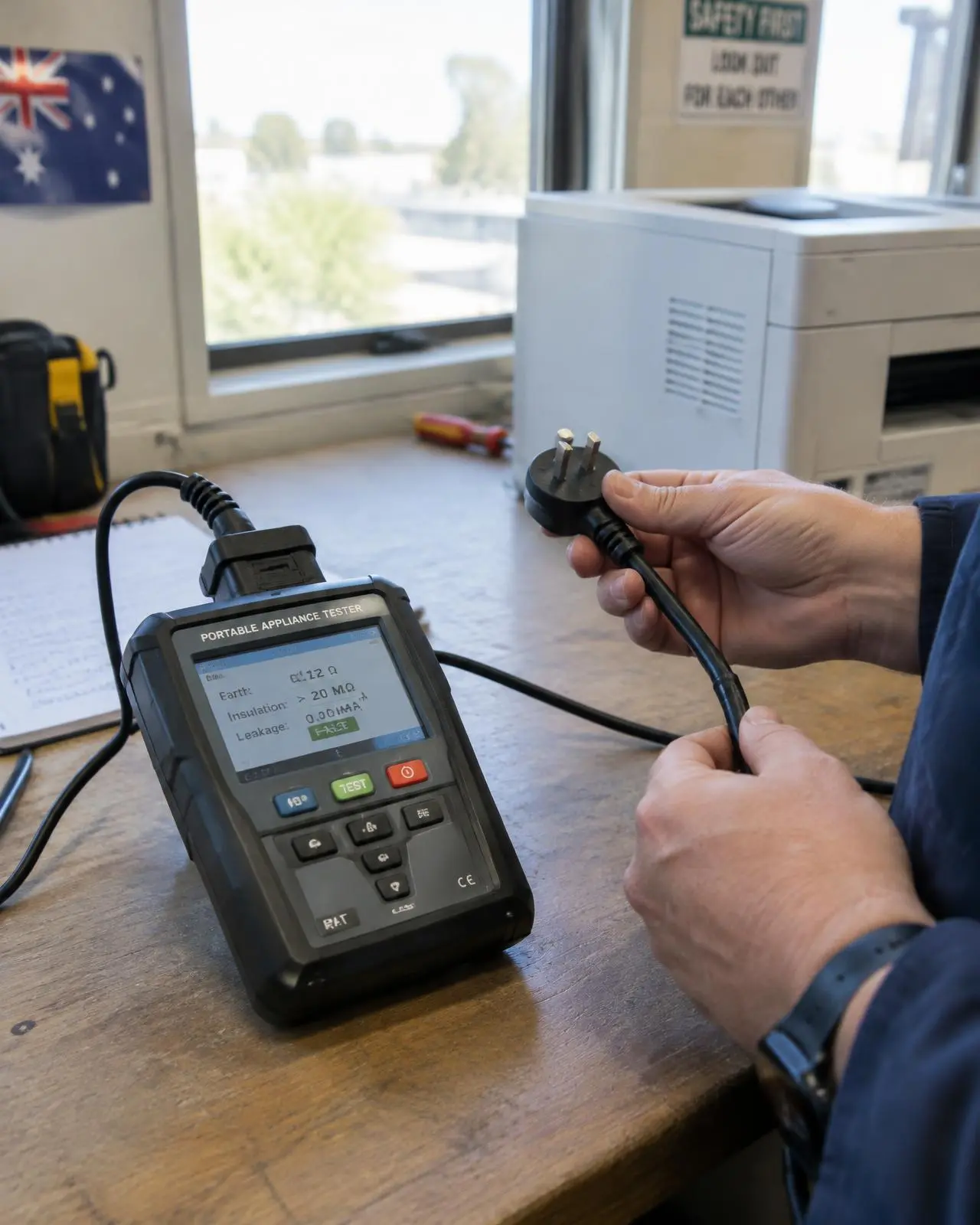
If you manage facilities at a school, you already know the pattern: the only time the site is truly quiet is when the students are gone. Term breaks, pupil-free days and the summer holidays are the natural windows for electrical test and tag — but a smooth visit takes a little planning. Here's the checklist we work through with schools.
1. Walk the site and list your areas
Schools are spread out. Classrooms, the library, IT trolleys and laptop charging stations, staffrooms, science labs, manual arts workshops, the hall, the canteen, admin offices and boarding houses all hold equipment that needs testing. A simple list of buildings and rooms — even a rough one — lets your tester quote accurately and plan the day so nothing is missed.
2. Count the high-volume items
The biggest item counts in most schools come from IT: laptop trolleys, chargers, power boards and extension leads. A rough count of these, plus staffroom and canteen appliances, is usually enough for a firm quote. You don't need a perfect inventory — that's what the testing visit produces.
3. Lock in the window early
Term breaks are short and every trade wants the same fortnight. Booking your testing window before the term ends means you get the dates that suit your site, not the dates that are left. If you have preferred days — for example, after the cleaners have been through, or before a working bee — raise them when you book.
4. Plan access for every building
Testing can't happen in a locked room. Arrange keys, codes or a staff member to accompany the tester for labs, server rooms, boarding houses and any secured areas. If alarms need to be managed, note that too. Ten minutes of access planning saves hours on the day.
5. Know what happens to failed items
Anything that fails is fitted with a danger tag and taken out of service until it's repaired or replaced. It's worth telling staff before the holidays end that a tagged item can't just be put back into use — and deciding who approves replacements so there are no surprises in week one.
6. File the report where auditors will find it
Your testing report is your record of what was tested, what passed and what needs attention. Keep it with your compliance documents — insurers and auditors ask for exactly this. AS/NZS 3760 sets out recommended retest intervals for different environments, and your tester can talk you through what applies to each area of your school and book the next visit in advance.
Planning testing for your school? Get in touch with your rough item count and preferred term-break window and we'll come back with a straight answer on price and timing.